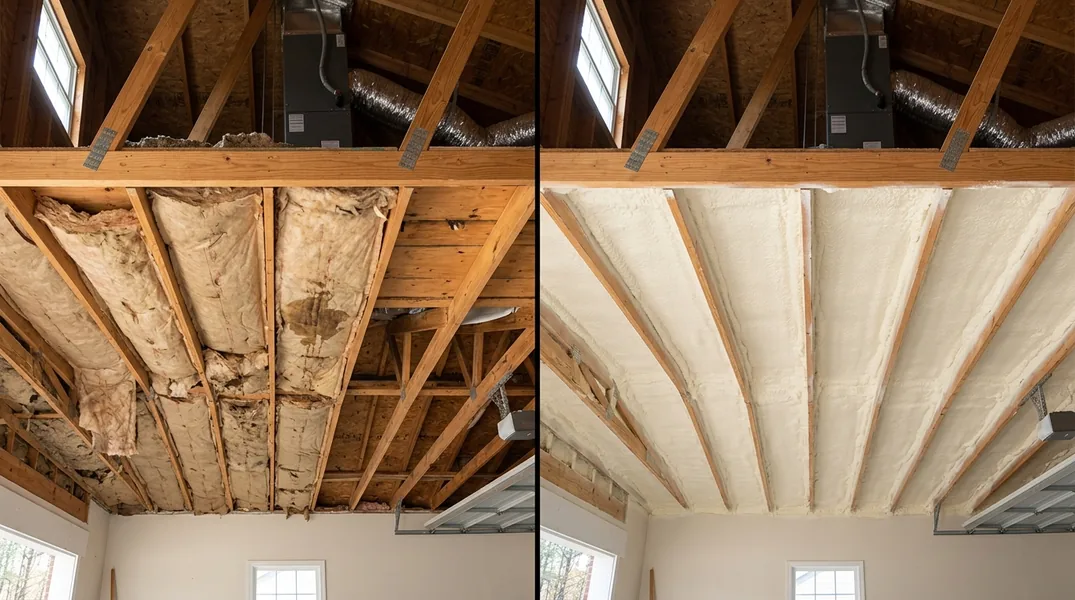
Understanding North Carolina's Energy Code Requirements for Attics
North Carolina follows the International Energy Conservation Code (IECC), with state amendments that set specific insulation requirements for residential properties. If you own a home in Fayetteville, understanding these baseline requirements is essential before upgrading your attic insulation. The current North Carolina energy code mandates minimum R-value levels that vary depending on your climate zone and the part of your home being insulated.
For attic insulation specifically, North Carolina requires a minimum R-38 in most residential applications, though some newer standards push toward R-49 for optimal performance. This translates to significant energy savings over time, as proper attic insulation prevents heated and cooled air from escaping through your roof. Many homeowners in Fayetteville find that meeting or exceeding these code requirements actually pays for itself through reduced utility bills within a few years.
Spray Foam Insulation R Value Per Inch: Why Thickness Matters
One of the most common questions homeowners ask is how thick spray foam insulation needs to be. The answer depends on the type of foam you choose. Closed Cell Spray Foam Insulation delivers approximately 6.0 to 7.0 R-value per inch, making it exceptionally efficient in tight spaces. Open Cell Spray Foam Insulation, by contrast, provides roughly 3.5 to 3.6 R-value per inch, requiring greater thickness to achieve the same R-value but offering better sound dampening and breathability.
To meet North Carolina's R-38 requirement using closed cell foam, you would need approximately 5.5 to 6.5 inches of material. With open cell foam, you'd need around 10 to 11 inches. How thick should spray foam be in your specific attic depends on your budget, available space, and performance goals. Many homeowners opt for closed cell because it provides superior moisture resistance and air sealing in addition to its high R-value per inch. This combination makes it particularly valuable in humid climates like North Carolina's.
Duke Energy Rebates for Spray Foam Insulation in 2026
Duke Energy, which serves much of North Carolina including the Fayetteville area, offers rebate programs designed to encourage homeowners to upgrade their insulation and improve energy efficiency. These rebates can significantly reduce your out-of-pocket costs for Attic Spray Foam Insulation projects. For 2026, Duke Energy continues to support qualifying insulation upgrades that help customers reduce their energy consumption and lower their monthly utility bills.
The rebate amounts and specific eligibility requirements can vary, so it's important to verify current offerings directly with Duke Energy or through your insulation contractor. When you contact us at (472) 263-8386, our team can help you understand which rebates you may qualify for and ensure your project is completed to Duke Energy's specifications.
Federal Tax Credits in 2026: What Changed for North Carolina Homeowners
Many homeowners still ask about the federal insulation tax credit. The Energy Efficient Home Improvement Credit (Section 25C) applied to insulation placed in service through December 31, 2025. Federal legislation signed in July 2025 ended it for projects completed after that date, so an Attic Spray Foam Insulation project finished in 2026 should not be planned around that credit unless Congress changes the law again. If your insulation was installed in 2025, keep your receipts and the manufacturer's product information for your tax preparer.
Utility rebates are the place to look in 2026. Programs and terms change from year to year, so check with your electric provider for any insulation or air sealing program that is open when you plan your project, and ask what documentation they need before the work starts. We can give you the product details, R-value, and thickness installed for any application you submit.
R Value Requirements by State and How Fayetteville Compares
While North Carolina sets its own energy code standards, it's helpful to understand how your state's requirements compare to neighboring regions. North Carolina's R-38 to R-49 attic insulation requirement is generally in line with other southeastern states, though some northern states require higher R-values due to colder climates. Fayetteville sits in a temperate climate zone where R-38 satisfies code minimums, but many energy-conscious homeowners choose to exceed these requirements for better long-term savings and comfort.
The key takeaway is that R value requirements by state are based on climate data and energy consumption patterns. Fayetteville's moderate climate means you don't need the extreme insulation levels required in Minnesota or Maine, but you also shouldn't skimp on attic insulation if you want to control heating and cooling costs. Spray foam insulation offers the advantage of air sealing simultaneously with insulation, providing benefits beyond just R-value that traditional fiberglass batts cannot match.
Getting Your Free Estimate: Next Steps for Fayetteville Homeowners
If you're ready to explore spray foam insulation options for your Fayetteville home, the first step is to understand your current attic condition and energy goals. Fayetteville Spray Foam Insulation offers comprehensive free estimate consultations where our team evaluates your attic, discusses R-value requirements, and explains which utility rebates may apply to your specific situation. We'll help you understand how thick spray foam should be for your goals and which type of foam (closed cell or open cell) makes the most sense for your budget and home.
We also provide the R-value and thickness documentation a rebate application asks for, and we install to North Carolina energy code standards. Whether you're interested in Attic Spray Foam Insulation, Closed Cell Spray Foam Insulation, or exploring Wall & Injection Foam Insulation, we're here to help. Call us today at (472) 263-8386 or request a free estimate online to get started on improving your home's energy efficiency and comfort.
Looking for a professional spray foam insulation contractor in Fayetteville? Fayetteville Spray Foam Insulation responds fast for all your spray foam insulation needs.
Get a Free Quote