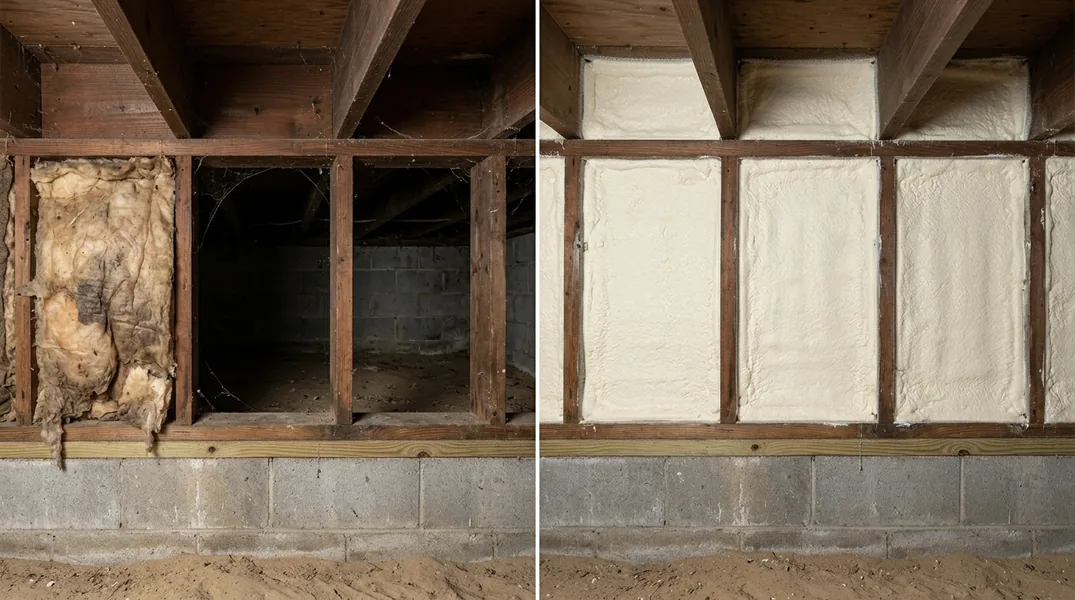
Is Spray Foam Insulation Worth It? The Real Value Proposition
Homeowners in Fayetteville often ask whether spray foam insulation justifies its higher upfront cost compared to traditional fiberglass or cellulose options. The answer depends on your priorities, budget, and long-term goals for your home. Spray foam insulation delivers exceptional air sealing properties and superior R-value per inch, which translates to meaningful energy savings over time. For many households, these benefits offset the initial investment within 5 to 10 years through reduced heating and cooling costs.
Beyond energy efficiency, Attic Spray Foam Insulation provides structural reinforcement, noise reduction, and moisture control that other insulation types simply cannot match. If you live in an older home with air leaks, drafts, or moisture problems, spray foam addresses all three issues simultaneously. The durability is also noteworthy. Unlike fiberglass batts that settle and lose effectiveness over decades, spray foam maintains its R-value for the life of your home. For Fayetteville residents dealing with humid summers and variable winters, this long-term performance makes spray foam a worthwhile investment.
Is Spray Foam Insulation Safe? Addressing the Health Concerns
Safety is the most common concern homeowners voice when considering spray foam. The short answer is yes, spray foam insulation is safe when installed correctly by licensed professionals and when proper precautions are taken during and after application. However, the installation process itself involves chemical reactions and temporary off-gassing that require careful handling. The two-part polyol and isocyanate components are mixed on-site, creating a chemical reaction that expands and hardens. During this process, workers must wear protective equipment, and the area must be properly ventilated. Once fully cured, the foam poses no health risk to occupants.
The key to safety lies in professional installation and proper ventilation during the curing period. Fayetteville Spray Foam Insulation follows industry best practices and EPA guidelines to ensure your home remains safe throughout the installation process. We recommend that occupants remain out of the treated area for 24 to 48 hours after application to allow complete off-gassing. After this period, the foam is chemically inert and poses no respiratory or dermal hazards. If you have concerns about indoor air quality or chemical sensitivity, discuss these with your installer before work begins. Proper ventilation and open windows during and after installation significantly reduce any temporary odors or airborne particles.
Understanding Spray Foam Off-Gassing: What You Need to Know
Spray foam off-gassing is perhaps the most misunderstood aspect of this insulation type. Off-gassing refers to the release of volatile organic compounds (VOCs) as the foam cures and hardens. This process is temporary and expected. The pungent chemical smell you may notice immediately after installation is not toxic, but it is unpleasant and indicates active off-gassing. The intensity and duration depend on factors like temperature, humidity, ventilation, and the specific foam formulation used. In Fayetteville's warm, humid climate, curing times may vary, but most off-gassing occurs within the first 24 to 48 hours.
To minimize off-gassing concerns, ensure your home is well-ventilated during and after installation. Open windows and doors, run exhaust fans, and consider temporarily increasing outdoor air exchange. If you have young children, elderly family members, or anyone with respiratory sensitivities, inform your installer so they can take extra precautions. Modern spray foam products have significantly lower VOC emissions than older formulations, and many installers now offer low-VOC or eco-friendly options. The temporary discomfort of off-gassing is vastly outweighed by decades of improved insulation performance and energy savings. Once curing is complete, there are no ongoing emissions or health risks associated with the installed foam.
Spray Foam Insulation Problems: Common Issues and How to Avoid Them
While spray foam is highly effective, certain problems can occur if installation is not performed correctly or if the wrong type of foam is selected for your application. One common issue is improper application thickness, which reduces R-value and wastes material. Another is inadequate ventilation in attics, which can trap moisture and lead to mold growth if Closed Cell Spray Foam Insulation is applied over existing moisture sources. Expansion issues can also occur if the foam is applied in layers that are too thick at once, causing uneven curing and potential shrinkage. Additionally, foam applied to electrical wiring or plumbing without proper clearance can create fire hazards or make future repairs difficult.
The best way to avoid these problems is to hire experienced, insured installers who understand local building codes and climate considerations. In Fayetteville, choosing a contractor familiar with our region's humidity levels and seasonal temperature swings is essential. Proper substrate preparation, moisture assessment, and ventilation planning before installation prevent most common issues. Additionally, ensure your installer provides documentation of the work, including foam thickness, coverage area, and R-value achieved. If you notice settling, gaps, or moisture problems months or years after installation, contact your installer immediately. A reputable company stands behind their work and will address defects under warranty.
Spray Foam Insulation Pros and Cons: A Balanced Comparison
Understanding the complete picture of spray foam benefits and limitations helps you make an informed decision. The primary advantages include superior air sealing, high R-value per inch, excellent moisture resistance, soundproofing qualities, and structural reinforcement. Spray foam fills cavities completely and prevents thermal bridging, which traditional insulation cannot do. It also reduces drafts, improves HVAC efficiency, and can lower utility bills by 15 to 30 percent depending on your home's condition and local climate. For attics and crawl spaces, spray foam prevents pest infiltration and reduces allergens by creating an airtight seal. The longevity is unmatched, with most spray foam lasting 50 to 80 years without significant degradation.
The disadvantages are primarily cost-related and application-specific. Spray foam typically costs two to three times more than fiberglass or cellulose per square foot, making it a significant upfront investment. Installation requires specialized equipment and trained technicians, which limits contractor availability in some areas. Once applied, spray foam is difficult to remove or modify, so mistakes during installation can be costly. Open Cell Spray Foam Insulation is less effective as a vapor barrier and may not be suitable for all climates, while Closed Cell Spray Foam Insulation is more expensive. Additionally, some homeowners report difficulty finding contractors willing to work on spray foam repairs or modifications years after initial installation. Despite these drawbacks, for most homeowners seeking long-term energy efficiency and comfort improvements, the pros significantly outweigh the cons.
Attic Spray Foam Insulation Cost in Fayetteville: What to Budget
Cost is often the deciding factor when homeowners evaluate spray foam insulation. Attic Spray Foam Insulation typically ranges from $1.50 to $3.00 per board foot, depending on foam type, thickness, and local market conditions. For an average 1,500 square foot attic with eight-inch depth, you can expect a total cost between $8,000 and $20,000. This higher price reflects the specialized equipment, trained labor, and superior performance you receive. Closed cell foam costs more than open cell but offers better moisture resistance and higher R-value, making it ideal for humid climates like Fayetteville. Wall and attic applications typically cost less per square foot than crawl space or basement work due to easier access and simpler application.
To get an accurate estimate for your specific situation, request a free estimate from Fayetteville Spray Foam Insulation at (472) 263-8386. Our team will assess your attic, identify air leaks, evaluate moisture conditions, and recommend the best foam type and thickness for your needs. We'll provide detailed pricing that breaks down material, labor, and any additional work required. Many homeowners find that the energy savings, increased home value, and improved comfort justify the investment. Additionally, some utility companies offer rebates or incentives for energy-efficient insulation upgrades, which can offset a portion of your costs. Over a 20-year period, the monthly energy savings often exceed the initial investment, making spray foam one of the best home improvements you can make.
Looking for a professional spray foam insulation contractor in Fayetteville? Fayetteville Spray Foam Insulation responds fast for all your spray foam insulation needs.
Get a Free Quote