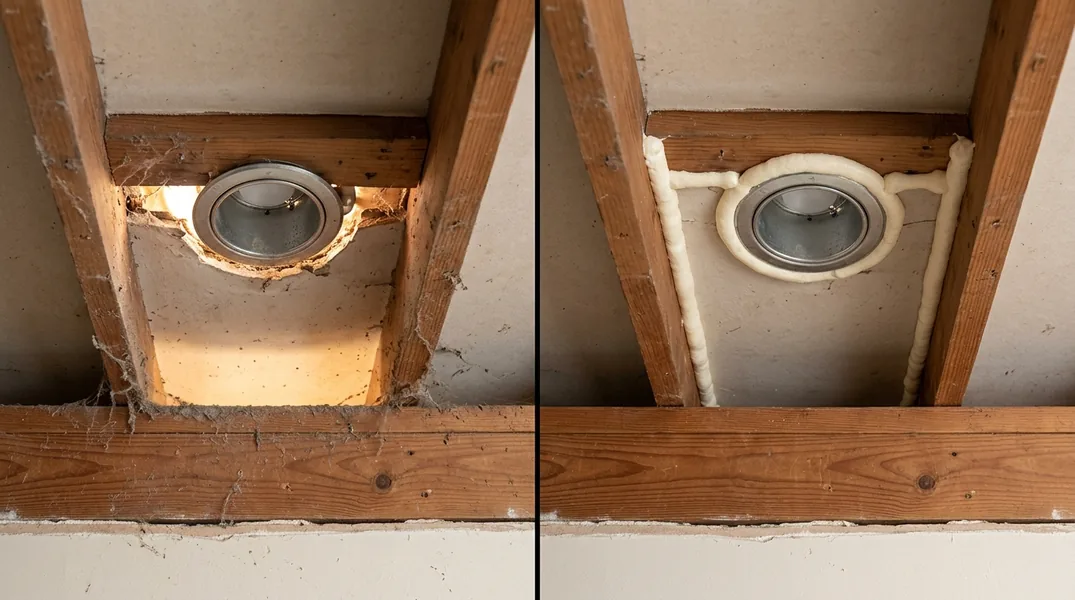
Storm Damage and Insulation: Understanding the Connection
Hurricanes Matthew and Florence left lasting marks on homes throughout the Carolinas, and Fayetteville was no exception. While structural damage often gets immediate attention, many homeowners overlook a critical issue: compromised attic and wall insulation. Water intrusion, mold growth, and moisture saturation can render traditional fiberglass and cellulose insulation ineffective, creating both comfort problems and potential health hazards in your home.
The aftermath of severe storms reveals why insulation matters more than most people realize. When water penetrates your attic or walls, it doesn't just dampen the insulation material. It creates an environment where mold thrives, reduces the R-value (thermal resistance) of the insulation, and can lead to structural rot if left unaddressed. Homeowners in Fayetteville who experienced these storms often discover months later that their energy bills have spiked or that certain rooms never feel comfortable, even after visible repairs are complete.
Signs Your Insulation Needs Replacement After Storm Damage
Determining whether your insulation needs replacement isn't always obvious. If your home experienced flooding or significant water intrusion during Matthew or Florence, the decision becomes clearer. Wet or damp insulation loses its ability to insulate and becomes a breeding ground for mold and mildew. If you notice musty odors in your attic, visible mold growth on insulation materials, or dark staining on fiberglass batts, replacement is necessary for both safety and performance.
Beyond water damage, age and settling also signal that Attic Spray Foam Insulation replacement may be overdue. Older homes often have insulation that has compressed over decades, losing much of its original R-value. After a major storm, it's worth having a professional inspection to assess whether your current insulation is still performing. Rising heating and cooling costs, uneven temperatures between rooms, and drafts are all indicators that your insulation may need attention. This is especially true if your home is more than 15 to 20 years old.
The Importance of Old Insulation Removal Before Reinstalling
One of the most critical steps in the insulation replacement process is proper old insulation removal. Many homeowners are tempted to simply layer new insulation over the old, thinking this will save time and money. This approach almost always backfires. Layering new insulation over wet, moldy, or settled insulation traps moisture, prevents proper air circulation, and wastes money because the old insulation underneath continues to deteriorate. Additionally, building codes in most areas require that old, damaged insulation be removed before new material is installed.
Professional attic insulation removal involves more than just pulling out old batts. Technicians must properly dispose of contaminated materials, inspect the underlying structure for damage, and ensure the space is clean and ready for new insulation. If mold is present, the removal process may require specialized equipment and techniques to prevent spore dispersal throughout your home. This is not a DIY project for most homeowners, particularly if storm damage or mold is involved. The cost of professional removal is a worthwhile investment compared to the risk of improper handling.
Why Spray Foam Insulation Outperforms Traditional Materials After Storm Damage
When it comes to replacing damaged insulation, spray foam offers significant advantages over traditional fiberglass or cellulose. Closed Cell Spray Foam Insulation creates an airtight seal that prevents moisture infiltration, making it ideal for homes in storm-prone areas. Unlike fiberglass batts, which absorb water and lose their insulating properties when wet, closed cell foam maintains its integrity and R-value even if exposed to moisture. This makes it an excellent choice for attics and walls in regions susceptible to hurricanes and heavy rainfall.
Open Cell Spray Foam Insulation is another option, offering excellent air sealing at a lower cost than closed cell. While it is more permeable to moisture than closed cell, it still provides superior performance compared to traditional insulation and allows any trapped moisture to dry more efficiently. For many homeowners replacing storm-damaged insulation, the choice between closed and open cell depends on budget, climate considerations, and specific moisture risks in different areas of the home. Both options significantly outperform the materials they're replacing in terms of durability, air sealing, and long-term performance.
Insulation Removal Cost in Fayetteville: What to Expect
Understanding pricing for insulation removal and replacement helps homeowners budget appropriately. The cost of insulation removal cost varies based on several factors, including the square footage of the area being cleared, the type of existing insulation, whether mold remediation is necessary, and local disposal fees. In Fayetteville, a typical attic insulation removal might range from several hundred to a few thousand dollars depending on these variables. Storm-damaged insulation that requires careful handling due to mold or contamination will cost more than simple removal of dry, intact material.
When budgeting for insulation replacement, remember that the removal cost is only part of the equation. The new spray foam insulation itself represents the larger investment, but it's one that pays dividends through improved energy efficiency, better comfort, and protection against future moisture problems. Rather than comparing removal costs alone, consider the total project cost and the long-term value. Many homeowners find that the improved energy savings and durability of spray foam justify the upfront investment. To get an accurate estimate for your specific situation, contact Fayetteville Spray Foam Insulation at (472) 263-8386 or request a free estimate today.
Taking Action: Next Steps for Your Storm-Damaged Home
If your home experienced water damage or flooding from Hurricane Matthew, Florence, or any other storm, don't delay addressing your insulation. The longer compromised insulation remains in place, the greater the risk of mold growth, structural damage, and energy inefficiency. The first step is to have a professional inspection to assess the extent of the damage and determine whether removal and replacement are necessary. This evaluation will inform your budget and timeline.
Fayetteville Spray Foam Insulation specializes in helping homeowners recover from storm damage by removing old, damaged insulation and installing high-performance spray foam systems. Whether you need Attic Spray Foam Insulation, Wall & Injection Foam Insulation, or both, our team has the expertise and equipment to handle your project professionally. We understand the urgency of post-storm repairs and work efficiently to restore your home's insulation and comfort. Call us today at (472) 263-8386 or visit our website to request a free estimate. Let's get your home back to optimal comfort and protection.
Looking for a professional spray foam insulation contractor in Fayetteville? Fayetteville Spray Foam Insulation responds fast for all your spray foam insulation needs.
Get a Free Quote